The shelf life of a tyre is an important consideration for all vehicle owners. tyres are a significant investment and it’s essential to ensure that they are in good condition and safe to use. A tyre’s shelf life is the amount of time it can be stored before it begins to degrade, which can affect its performance and safety on the road.
Tyres are a crucial component of any vehicle, as they are responsible for maintaining contact with the road and providing traction, stability, and braking power. Ensuring that your tyres are in good condition is essential for both safety and performance, which is why it’s important to understand the concept of tyre shelf life.
The shelf life of a tyre is the amount of time it can be stored before it begins to degrade to the point where it should no longer be used. tyres are made up of a variety of materials, including rubber, steel, and other synthetic compounds. Over time, these materials can degrade, which can affect the overall performance and safety of the tyre.
The shelf life of a tyre can vary depending on a number of factors, including the type of tyre, the environment in which it is stored, and the manufacturer’s recommendations. For example, a high-performance tyre may have a shorter shelf life than a standard tyre, and tyres stored in a hot and humid environment may degrade more quickly than those stored in a cool, dry one.
Most tyre manufacturers recommend that tyres be used within five to ten years of their manufacture date. However, it’s worth noting that this is a general guideline and not an absolute rule. Some tyres may be safe to use beyond this time frame, while others may need to be replaced sooner.
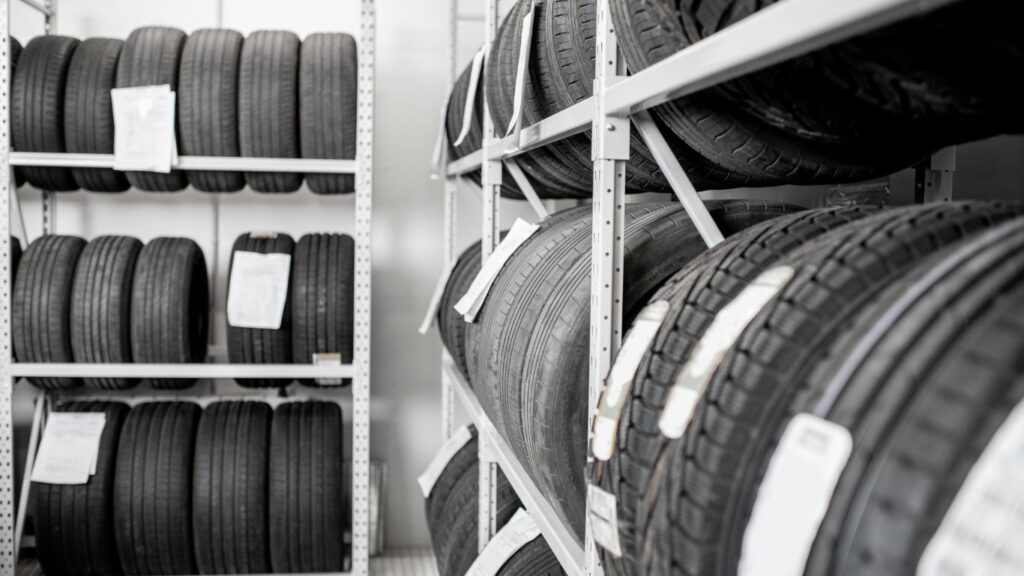
To check the manufacture date of a tyre, you will find the DOT (Department of Transportation) code on the sidewall. The code is made up of four numbers and it tells the date the tyre was manufactured. The first two digits represent the week of the year and the last two digits represent the year of manufacture. For example, a tyre with the code 3223 was manufactured in the 32nd week of 2023.
It’s important to note that even if your tyres are within the manufacturer’s recommended shelf life, they may still need to be replaced before that time if they show signs of wear and tear. These signs include a decrease in tread depth, uneven wear, cuts, or punctures in the sidewall.
tyre manufacturers use a number of different materials to make tyres, but the main component is rubber. Rubber is an organic material that is made from the sap of rubber trees. It is a natural polymer, which means that it is made up of long chains of repeating units called monomers. The properties of rubber are determined by the type and amount of these monomers, as well as the conditions under which it is manufactured and stored.
Over time, rubber can degrade due to a number of factors, including exposure to sunlight, heat, ozone, and other chemicals. When rubber degrades, it can become brittle, lose its elasticity, and develop cracks. These changes can affect the overall performance and safety of the tyre, making it more likely to fail during use.
One of the main factors that affect the shelf life of a tyre is the environment in which it is stored. tyres stored in a hot and humid environment will degrade more quickly than those stored in a cool, dry one. This is because heat and humidity can accelerate the chemical reactions that cause the rubber to degrade.
Ozone is also a major contributor to the ageing of tyres. Ozone is a highly reactive gas that is present in the Earth’s upper atmosphere. It is also found at ground level in some areas, such as near industrial facilities and in certain types of weather. Ozone can cause the rubber to degrade by breaking down the chemical bonds that hold the rubber molecules together.
Another factor that can affect the shelf life of a tyre is exposure to sunlight. Ultraviolet (UV) radiation from the sun can cause the rubber to degrade by breaking down the chemical bonds that hold the rubber molecules together.