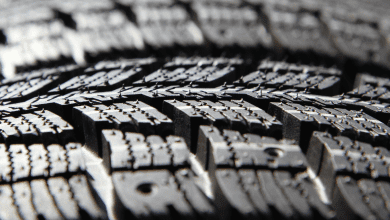
Treadwear is a term used to describe the lifespan of a tyre. It refers to the number of miles a tyre can travel before the tread is worn down to the point where the tyre needs to be replaced. The tread of a tyre is the part that comes into contact with the road, and its condition is essential for the safety and performance of the vehicle. The tread provides grip and traction, helping the vehicle to stop, start, and turn. A worn-out tyre can compromise the vehicle’s handling, cause it to skid or hydroplane, and increase the risk of accidents.
The treadwear rating is a standardized measure used to compare the durability of different tyres. It is expressed as a number, ranging from 50 to 800, with higher numbers indicating longer tread life. The rating is assigned by the tyre manufacturer and is based on tests conducted by an independent organization. The tests measure the wear of the tyre under controlled conditions, such as a simulated road surface and a fixed load and speed.
The treadwear rating is not an exact prediction of how long a tyre will last in real-world conditions. The rating assumes that the tyre is maintained properly and used under normal driving conditions. Factors that can affect the actual lifespan of a tyre include the type of vehicle, driving style, road conditions, weather, and maintenance. Tyres that are subjected to heavy loads, high speeds, aggressive driving, or harsh environments may wear out faster than those that are used more gently.
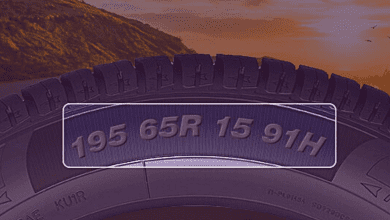
The treadwear rating is just one of the factors to consider when selecting a tyre. Other important factors include the type of tyre, the size, the speed rating, the load index, and the season. Tyres are designed for specific applications and have different features to suit different needs. For example, some tyres are optimized for performance, while others are designed for comfort, fuel efficiency, or off-road use. The size of the tyre must match the specifications of the vehicle, and the speed rating and load index must meet or exceed the vehicle’s requirements. The season also matters as different tyres are suitable for different weather conditions.
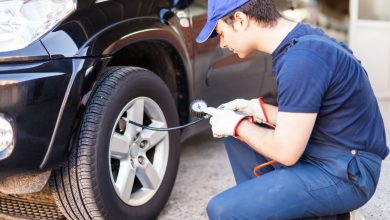
To get the most out of a tyre, it is essential to maintain it properly. Proper maintenance includes checking the tyre pressure regularly, rotating the tyres periodically, balancing the wheels, and aligning the wheels. Tyres that are underinflated, overinflated, or unevenly worn can wear out faster and cause handling problems. Rotating the tyres helps to ensure even wear and prolongs their lifespan. Balancing the wheels ensures that the weight is distributed evenly, reducing vibration and prolonging the life of the tyre. Aligning the wheels ensures that the vehicle handles properly and reduces uneven wear on the tyres.
In conclusion, treadwear is a measure of the durability of a tyre and an important factor to consider when selecting a tyre. The treadwear rating indicates how long a tyre can last under controlled conditions, but the actual lifespan depends on various factors. Proper maintenance of the tyre and the vehicle can help to prolong the life of the tyre and ensure safe and efficient driving. When selecting a tyre, it is important to consider other factors such as the type of tyre, the size, the speed rating, the load index, and the season, to ensure the best fit for the vehicle’s needs.
What is a good treadwear rating on a tyre?
A good treadwear rating on a tyre can vary depending on the intended use of the tyre and the manufacturer. Generally, a higher treadwear rating is considered better because it indicates that the tyre should last longer before needing to be replaced. Treadwear ratings can range from as low as 50 to as high as 800, but most passenger car tyres typically fall within the range of 200 to 500.
It’s important to note that treadwear ratings are not directly comparable across different tyre brands or types. Treadwear ratings are assigned by the tyre manufacturer and are based on their own internal testing methods, which can differ between manufacturers. Therefore, it’s best to compare treadwear ratings within the same brand and type of tyre to get a more accurate comparison of durability.
When choosing a tyre, it’s important to consider your driving needs and the conditions in which you’ll be using the tyre. For example, if you primarily drive on highways and are looking for a long-lasting tyre, you may want to choose a tyre with a higher treadwear rating. On the other hand, if you do a lot of off-road driving or need a tyre that provides superior grip in wet or snowy conditions, you may want to choose a tyre with a lower treadwear rating but with more aggressive tread patterns.
In general, a treadwear rating of 400 or higher is considered good for a passenger car tyre, while a rating of 500 or higher is considered excellent. Tyres with higher treadwear ratings may cost more upfront, but they can save you money in the long run by lasting longer and needing to be replaced less frequently.
Do tyres last longer if you drive slower?
Driving slower can potentially help to prolong the life of your tyres, but it is not the only factor that affects tyre lifespan. The lifespan of a tyre is affected by a variety of factors, including the quality of the tyre, the type of vehicle, the type of driving, road conditions, and weather conditions.
Driving slower can reduce the wear on your tyres because it reduces the friction between the tyres and the road. When you drive at high speeds, the tyres generate more heat, which can cause the rubber to degrade and wear out faster. Additionally, aggressive driving behaviours such as hard braking, sudden acceleration, and sharp turns can also increase the wear on your tyres.
However, driving too slow can also have a negative impact on your tyres. If you drive significantly below the speed limit, your tyres may not heat up enough to operate optimally, which can cause premature wear and reduce the lifespan of the tyre. Driving too slow can also lead to uneven wear on the tyres, which can compromise the safety and performance of your vehicle.
In addition to driving habits, other factors that affect tyre lifespan include the quality of the tyre, the type of vehicle, and the road and weather conditions. Higher quality tyres are typically made with better materials and are designed to last longer. The weight of your vehicle and the way it is used can also affect the lifespan of your tyres. For example, driving a heavy SUV or towing a trailer can put more strain on your tyres than driving a smaller passenger car.
Finally, road and weather conditions can also have a significant impact on the lifespan of your tyres. Driving on rough or poorly maintained roads can cause the tyres to wear out faster while driving in extreme weather conditions such as hot temperatures or icy roads can also cause the rubber to degrade more quickly.
In conclusion, driving slower can potentially help to prolong the life of your tyres, but it is just one factor among many that affect tyre lifespan. Other factors such as the quality of the tyre, the type of vehicle, the driving conditions, and the weather conditions also play a significant role. To get the most out of your tyres, it’s important to maintain them properly, drive responsibly, and choose tyres that are appropriate for your vehicle and driving needs.
Is higher or lower treadwear better?
When it comes to treadwear, a higher treadwear rating is generally considered better because it indicates that the tyre should last longer before needing to be replaced. However, it’s important to note that treadwear is just one factor to consider when choosing a tyre, and a higher treadwear rating is not always the best choice for every situation.
A tyre with a higher treadwear rating is made of harder rubber compounds, which tend to wear down more slowly over time. As a result, tyres with higher treadwear ratings typically last longer than those with lower ratings, which can save you money in the long run by reducing the frequency with which you need to replace your tyres.
However, tyres with higher treadwear ratings may not provide the same level of traction and grip as tyres with lower ratings. This is because softer rubber compounds tend to provide better grip and handling, which can be especially important in wet or icy conditions. So, while a higher treadwear rating may save you money in the long run, it may not be the best choice if you prioritize safety and performance over longevity.
In addition, it’s important to note that treadwear ratings are not standardized across different tyre brands or types, so a higher rating from one brand may not be equivalent to a higher rating from another brand. It’s important to consider other factors such as the type of driving you’ll be doing, the conditions in which you’ll be driving, and your budget when choosing a tyre.
Ultimately, the best treadwear rating for your specific needs will depend on a variety of factors, including your driving style, the type of vehicle you drive, and the conditions in which you’ll be driving. If you prioritize longevity and cost savings, a higher treadwear rating may be a good choice, but if you prioritize safety and performance, you may want to consider a tyre with a lower rating but better grip and handling.
Why do factory tyres not last long?
Factory tires, also known as original equipment manufacturer (OEM) tires, are designed to meet specific requirements and specifications set by the automaker when they are installed on. These specifications may prioritize factors such as cost, fuel efficiency, and noise reduction over factors such as treadwear and performance, which can result in shorter lifespans for the tires.
Automakers often choose tires for their vehicles based on a number of factors, including cost, performance, and fuel efficiency. The tires selected for a particular vehicle model are typically designed to provide adequate performance and handling while also meeting the automaker’s specifications for fuel efficiency and other factors. As a result, OEM tires may not always prioritize longevity or high-performance characteristics such as high-speed stability or aggressive handling.
Another reason that factory tires may not last as long is that they are often subject to rigorous testing and evaluation during the development process. This testing can put additional wear and tear on the tires, which can shorten their lifespan even before they are installed on a vehicle. Additionally, factory tires are often made to a lower price point than aftermarket tires, which can result in the use of less durable materials and construction methods.
Finally, the lifespan of a tire can be affected by a number of external factors, including driving style, road conditions, and weather. If a driver engages in aggressive driving behaviours or frequently drives on poorly maintained roads, for example, the tires may wear out more quickly. Similarly, extreme weather conditions such as hot temperatures or heavy rain can cause the rubber in the tires to degrade more quickly, shortening their lifespan.
In summary, factory tires are designed to meet specific requirements and specifications set by automakers, which may prioritize factors such as cost, fuel efficiency, and noise reduction over factors such as treadwear and performance. Additionally, external factors such as driving style, road conditions, and weather can also contribute to the shorter lifespan of factory tires.
Which tyres last the longest?
The lifespan of a tyre depends on a variety of factors, including the type of vehicle, driving conditions, and driving habits. However, some tyre brands and models are known for lasting longer than others.
Here are a few brands and models that are often cited as having longer lifespans:
- Michelin Defender T+H: This all-season tyre is designed to deliver a long lifespan without sacrificing performance. It features a unique tread design that provides a good grip in wet and dry conditions, and it has a treadwear warranty of up to 90,000 miles.
- Continental TrueContact Tour: This touring tyre is known for its durability and longevity, and it has a treadwear warranty of up to 90,000 miles. It features an all-season tread design that provides a good grip in a variety of weather conditions.
- Pirelli P4 Four Seasons Plus: This tyre is designed for all-season performance and features a unique tread design that provides a good grip in both wet and dry conditions. It has a treadwear warranty of up to 90,000 miles.
- Bridgestone Turanza QuietTrack: This touring tyre is designed for a quiet and comfortable ride, and it has a treadwear warranty of up to 80,000 miles. It features a unique tread design that provides a good grip in wet and dry conditions.
- Goodyear Assurance MaxLife: This all-season tyre is designed for long life and features a unique tread design that provides a good grip in a variety of weather conditions. It has a treadwear warranty of up to 85,000 miles.
It’s important to note that the lifespan of a tyre is influenced by many factors, such as driving habits, road conditions, and weather. Regular maintenance, such as regular tire rotations and proper inflation, can also help extend the life of your tyres. It’s important to choose a tyre that is appropriate for your specific driving needs and conditions and to always follow the manufacturer’s recommended maintenance schedule to help maximize the lifespan of your tyres.