Checking the life of your tyres is an important part of maintaining your vehicle and ensuring your safety on the road. Here are a few steps you can take to check the life of your tyres and determine when it’s time to replace them.
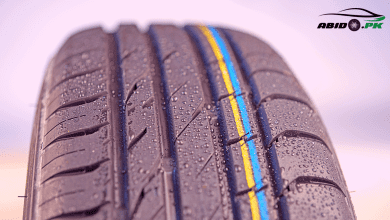
Check the tread depth: The tread depth of your tyres is an indication of how much life they have left. tyres with a deeper tread depth have more life left than those with a shallower tread depth. You can check the tread depth using a tread depth gauge, which can be found at most auto parts stores. The minimum legal tread depth for most tyres is 2/32 of an inch. If your tyres have a tread depth of less than this, it’s time to replace them.
Look for signs of wear and tear: tyres that are worn or damaged can be dangerous to drive on. Look for signs of wear and tear such as uneven wear, cuts, punctures, and bulges in the sidewall of the tyre. If you notice any of these signs, it’s time to replace your tyres.
Check the tyre pressure: Maintaining the proper tyre pressure is important for the life of your tyres. Low tyre pressure can cause your tyres to wear out faster. Check the tyre pressure using a tyre pressure gauge and inflate your tyres to the recommended pressure level as indicated in your vehicle’s owner’s manual.
Inspect the tyres for rot: tyres that have been exposed to water and heat for long periods of time can rot and develop cracks. Inspect the tyres for rot, especially if the vehicle is parked for a long time. If you notice any rot or cracks, it’s time to replace your tyres.
Check the Age of tyres: tyres have a lifespan, and even if the treads look good, it’s important to replace tyres that are older than 6 years. Tyre Shelf Life
Get your tyres inspected by a professional: If you’re unsure about the condition of your tyres, or if you notice any signs of wear or damage, it’s a good idea to have them inspected by a professional. They will be able to give you a more accurate assessment of the life of your tyres and advise you on when to replace them.
Rotate your tyres: Rotating your tyres regularly can help to ensure that they wear evenly and last longer. This means that you’ll need to replace your tyres less frequently. Most manufacturers recommend rotating tyres every 7,500 miles or so. Check your vehicle’s owner’s manual for the recommended rotation schedule for your specific vehicle.
Check the alignment: Misaligned wheels can cause uneven wear on your tyres. This means that some areas of the tyre will wear out faster than others. To check your wheel alignment, you can take your vehicle to a professional or you can check for uneven wear on your tyres. If the inside or outside edges of your tyres are more worn than the rest of the tyres, it could be a sign that your wheels are misaligned.
Avoid overloading your vehicle: Overloading your vehicle can put extra stress on your tyres and cause them to wear out faster. Make sure to keep within the load limits specified in your vehicle’s owner’s manual.
Drive carefully: Avoiding sudden braking, sudden acceleration, and sharp turns can help to prolong the life of your tyres. These actions put extra stress on your tyres and can cause them to wear out faster.
In conclusion, checking the life of your tyres is an important part of maintaining your vehicle and ensuring your safety on the road. By following these tips, you can ensure that your tyres are in good condition and safe to drive on. Remember to check the tread depth, look for signs of wear and tear, check the tyre pressure, inspect for rot, check the age of the tyres, rotate your tyres, check the alignment, avoid overloading your vehicle, and drive carefully. If you’re unsure about the condition of your tyres, it’s a good idea to have them inspected by a professional. Your tyres are the only thing that stands between you and the road, so it’s important to take care of them.