Winter tyres, also known as snow tyres, are designed to provide better traction and handling in cold weather and snowy conditions. They are made with a specialized rubber compound that remains pliable in sub-freezing temperatures and feature deep tread patterns to help clear snow and ice from the tyre surface. Here are a few key things to look for when identifying winter tyres:
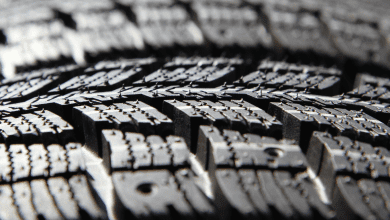
Tread design: Winter tyres have a deeper and more aggressive tread pattern than all-season or summer tyres. This helps to clear snow and ice from the tyre surface, providing better traction in slippery conditions. Look for tyres with a tread pattern that includes multiple biting edges and sipes, which are small slits in the tread that help to increase the tyre’s grip on snow and ice.
Rubber compound: Winter tyres are made with a specialized rubber compound that remains pliable in sub-freezing temperatures. This helps to maintain the tyre’s flexibility and grip even in the coldest weather. Look for tyres with a “winter” or “snow” designation, which indicates that the tyre is designed for use in cold weather.
M+S rating: Many winter tyres are rated with an “M+S” (Mud and Snow) rating. This rating indicates that the tyre has been tested and found to provide good traction in a variety of winter conditions, including mud, snow, and ice.
The mountain and snowflake symbol: Some winter tyres are marked with a mountain and snowflake symbol on the sidewall, indicating that the tyre has been specifically designed for use in snowy and icy conditions.
Speed rating: Some winter tyres have a lower speed rating than all-season or summer tyres, which means they are not suitable for high-speed driving. Be sure to check the speed rating of any winter tyres you are considering to ensure they are appropriate for your vehicle and driving needs.
In addition, it is important to note that winter tyres are not meant to be driven all year round, they are specially designed to provide better traction and handling in winter weather conditions, as such they will wear out quicker when driven in warmer weather. It is also important to check the tyre pressure regularly, and to make sure that the tyres are properly aligned and balanced, as this will help to ensure that the tyres wear evenly and last as long as possible.
In conclusion, identifying winter tyres is essential for ensuring safe driving in snowy and icy conditions. Look for tyres with a deep and aggressive tread pattern, a specialized rubber compound, an M+S rating, a mountain and snowflake symbol and an appropriate speed rating for your vehicle. Remember that winter tyres are not meant to be driven all year round and that proper tyre maintenance is essential for ensuring that your tyres last as long as possible.