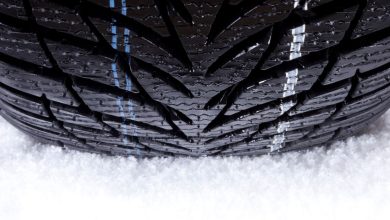
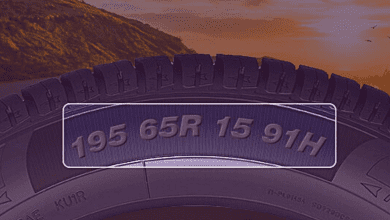
Tyres are typically filled with air, which provides the necessary pressure to support the vehicle’s weight and allows the tyre to roll properly. The air pressure in tyres is measured in pounds per square inch (psi) and is typically between 30 and 35 psi for passenger vehicles. Maintaining the proper air pressure in your tyres is important to ensure safe and efficient driving.
If you have a question about the type of gas to use in your car’s engine, you should refer to the owner’s manual for your vehicle or contact the manufacturer for specific recommendations. The type of gas that is best for your car will depend on the make and model of the vehicle and any specific requirements or recommendations from the manufacturer.
Nitrogen Gas:
Some people fill their car tyres with nitrogen instead of regular air. Nitrogen is an inert gas often used to fill tyres because it is less prone to leakage and has a slightly lower thermal expansion rate than regular air. This can result in slightly cooler tyre temperatures and potentially longer tyre life.
However, the benefits of using nitrogen in car tyres are generally considered relatively small and may not justify the additional cost for most drivers. It’s important to maintain the proper air pressure in your tyres regardless of the type of gas used, as underinflated or overinflated tyres can affect the performance and safety of your vehicle.
If you are considering using nitrogen in your car’s tyres, it’s a good idea to do some research and consider the potential benefits and drawbacks before deciding. You should also consult the owner’s manual for your vehicle or contact the manufacturer to determine if using nitrogen in the tyres is recommended or allowed.